Blog

Purchasing a Quiet Heat Pump
The operation of heat pumps has greatly improved over time. Initially expensive and not very cost-effective, today’s residential heat pumps boast impressive energy efficiency and are much more affordable than before. Their operation has also been refined over time, notably through the replacement of pistons with a screw in the compressor, the addition of a soundproofing cover, improved precision in drive belts, and the inclusion of a “noise-cancelling” base to counteract…
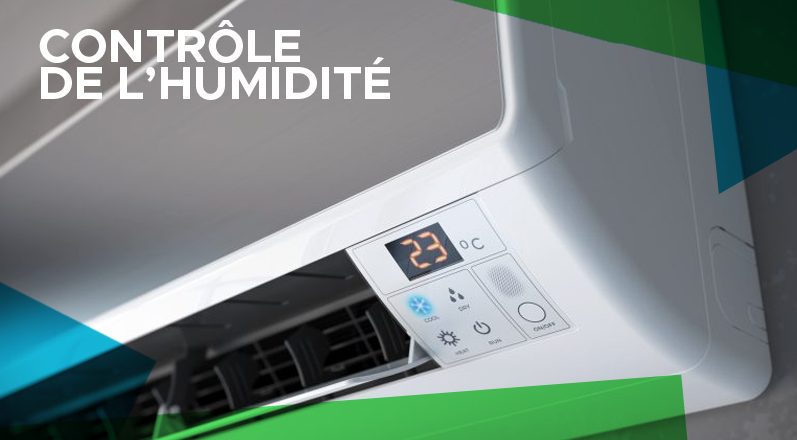
The heat pump: an efficient dehumidifier
The heat pump is a highly energy-efficient auxiliary heating system, which allows for air conditioning in the summer and heating in the winter. It can also serve as a dehumidifier, a feature often forgotten by its owners. When should this function be utilized? The heat pump can operate all winter as an auxiliary heating system, and during heatwaves as an air conditioning system. However, it’s difficult to choose between the two…
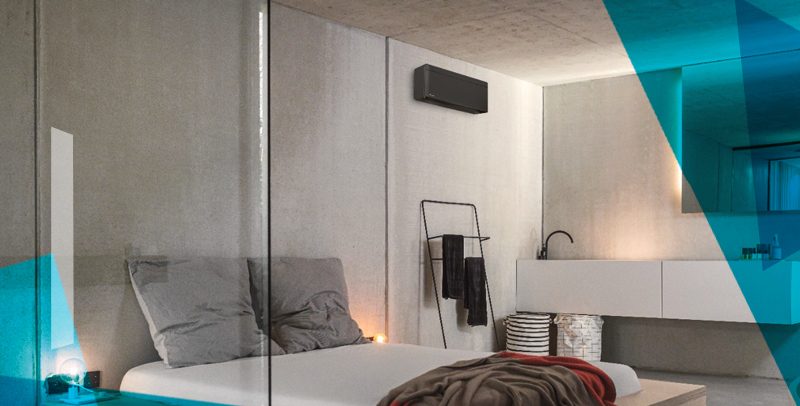
Air Conditioner Installation by a Professional: Why?
If you do not have an air conditioner or heat pump, it’s high time to equip yourself with this essential item to combat the summer heat. If you do not have central heating, and therefore no network of pipes running inside your walls, a wall-mounted heat pump or air conditioner is highly recommended for your home. You know the drill: you need to deal with a professional in the air conditioning…
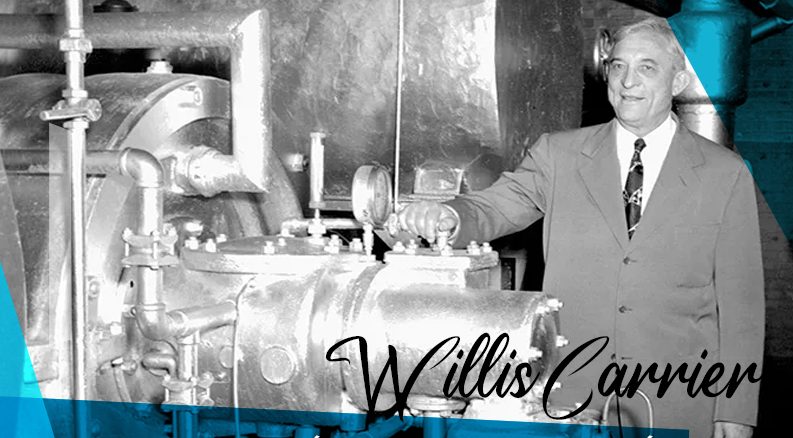
Air Conditioning or HVAC system?
The best way to describe what keeps you cool all summer is your HVAC system, which produces conditioned air. Frequently used in our informal Quebecois language, the expression “air conditioning” is an anglicism derived from “conditioned air,” which describes refrigeration system systems. This expression is theoretically accepted in the French language dictionary, just like “refrigeration system,” but the latter is preferred and more commonly used. In any case, it is preferable…
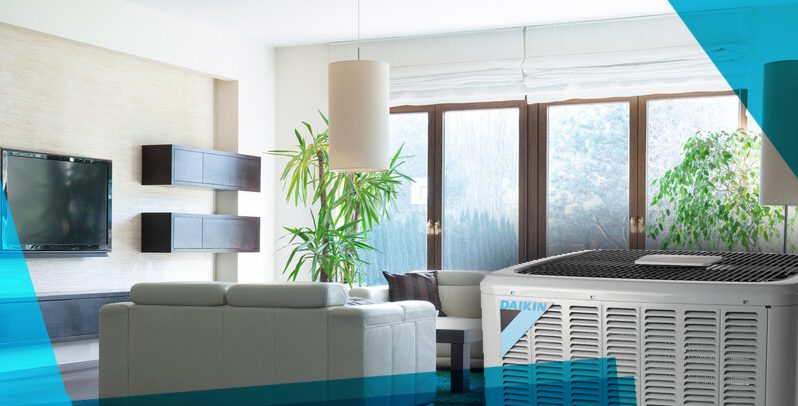
Electric Heating: Consider a Heat Pump
Electric heating is one of the most cost-effective ways to heat your home. Although there are several electric heating systems, such as underfloor heating, convectors, and radiators, the combination that will save you the most money in the long run is usually electric baseboard heaters and a heat pump. Why? Because of the low cost of these devices, the availability of electricity in Quebec, and of course, the eco-friendly aspect of…

What is the price of a heat pump?
If you’re interested in purchasing a heat pump, you might be wondering how much it could cost you. First, know that the price can vary from one aerothermal system to another, and there isn’t a “one size fits all” good little heat pump. Fundamental characteristics rather determine the prices of heat pumps. Of course, your needs and budget are important. But be wary of “incredible offers” or the assumption that high…

What is the best heat pump on the market?
The best heat pump to buy is the one that will save you the most money. It will be the one that is suited (power) to the dimensions of your home and has a very good performance. It will be the one that does not break down and lasts a long time. It will be the one that has a full warranty and is not excessively expensive to purchase. Therefore, the…

What are the benefits of a heat pump?
Although its purchase price is not negligible, a heat pump has undeniable advantages. Precise and reliable, this technology for heating and cooling homes is outclassing traditional systems. This is particularly understandable in regions that annually move from freezing to scorching temperatures, such as in Quebec. Here we have an advanced, efficient, and versatile HVAC system that allows for year-round indoor comfort. The main advantage of the heat pump: its efficiency The…

When should the heat pump be cleaned?
Cleaning your heat pump yourself as a form of minimal maintenance is an excellent idea. The efficiency and durability of the device will benefit from it. That said, it is highly recommended to also call in an HVAC specialist at least once a year. If possible, after a season of intensive heating or strong air conditioning. Manufacturers and authorized heat pump retailers offer this kind of service. The good habit of…
How to calculate the number of BTUs needed to heat a house?
Heating a house requires energy. The BTU (or British Thermal Unit) is still often used in North America to quantify this energy. Technically, a BTU corresponds to the amount of energy needed to raise (heating) or lower (cooling) the temperature of one pound of water by one degree Fahrenheit. Increasingly, the kilowatt (kW) is becoming the standard measure. As a point of equivalence, one kW is approximately equal to 3412 BTUs….

Does a Heat Pump Increase a Home’s Value?
Right off the bat, the answer is affirmative. Energy efficiency, including heat pumps, enhances a home’s value, a fact confirmed by real estate professionals. Moreover, buyers have placed greater emphasis on this aspect over the past two decades. While investing in the kitchen, renovating the bathroom, and updating flooring remain essentials—albeit with a cautionary note on fleeting trends—these alone no longer suffice to secure a top price for one’s home. Heat…

Different heating options
In line with the severity of our Quebec winters, various heating options are offered by HVAC contractors. Each has distinctive characteristics and could represent an ideal solution depending on the needs. Heating options include, for example, central heating systems, electric radiators, heated floors, and pellet stoves. Each has its advantages, and some may involve the presence of a heat pump. Central Heating and Electric Radiators A central heating system in a…